
Platypus
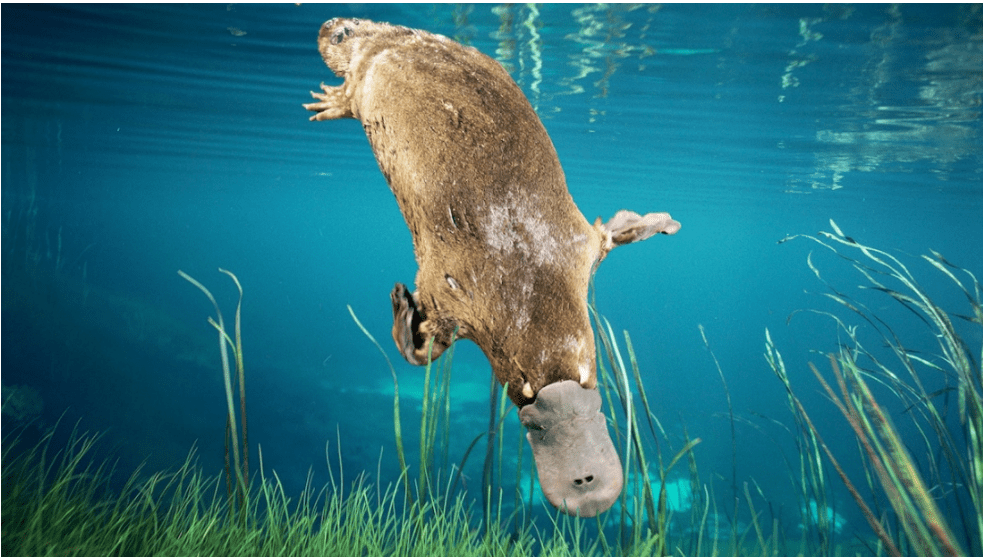
If you wait quietly in this place, in the early morning or evening, you may be lucky enough to see platypus. Platypus are shy Creek dwellers and won’t appear if they sense movement or noise.
The platypus (Ornithorhynchus anatinus), sometimes referred to as the duck-billed platypus, is a semiaquatic, egg-laying mammal endemic to eastern Australia, including Tasmania. Together with the four species of echidna, it is one of the five extant species of monotremes, the only mammals that lay eggs instead of giving birth to live young; they are all native to Australia. Like other monotremes, it senses prey through electrolocation. It is one of the few species of venomous mammals, as the male platypus has a spur on the hind foot that delivers a venom, capable of causing severe pain to humans.
The unusual appearance of this egg-laying, duck-billed, beaver-tailed, otter-footed mammal baffled European naturalists when they first encountered it, and the first scientists to examine a preserved platypus body (in 1799) judged it a fake, made of several animals sewn together.
The unique features of the platypus make it an important subject in the study of evolutionary biology, and it is culturally significant to several Aboriginal peoples of Australia.
As of 2020, the platypus is a legally protected species in all states where it occurs, but it is only listed as an endangered species in South Australia.
Rakali (Rabe or Native Water Rat)
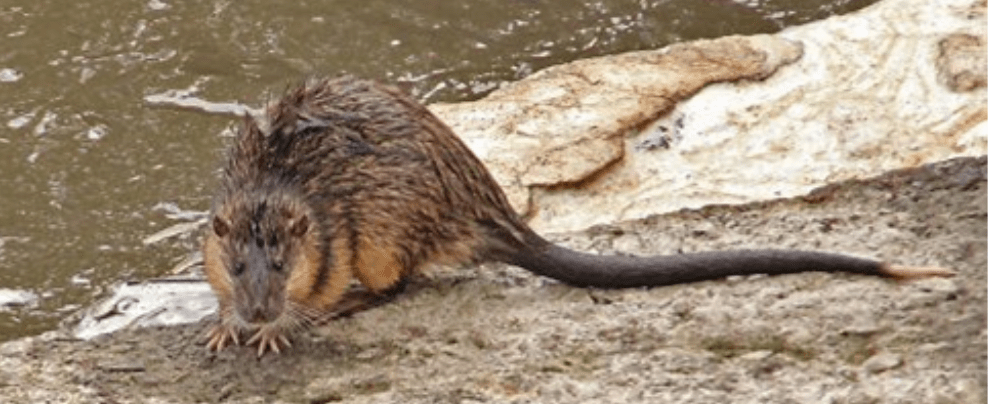
The rakali, (Hydromys chrysogaster), also known as the rabe or water-rat, is an Australian native rodent. The change to the aboriginal name Rakali was intended to foster a positive public attitude. Having adapted to and colonised a unique niche of a semiaquatic and nocturnal lifestyle, this species lives in burrows on the banks of rivers, lakes and estuaries. Hunted for their soft fur and considered a nuisance animal, numbers were under threat until a protection order in 1938.
Closer to the ford crossing at Scenic Drive you may be lucky enough to spot Rakali in the Creek or on land nearby during the colder months. They are generally most active in the early morning and evening, spending the day in hollow logs or burrows.
Rakali are a predominately carnivorous species feeding on a variety of aquatic animals including fish, crustaceans, shellfish, small birds, eggs, mammals, frogs, reptiles. In winter, when resources are limited, they will also take plants. A mostly nocturnal species, they search for their food on dusk, partly by sight when in the water and hunting prey on the water’s edge returning to a favourite feeding place where evidence of previous catches can be seen. They can be found swimming and feeding in the early morning and evening.
The rakali does not tolerate low temperatures well, so they prefer terrestrial prey in winter over the aquatic species. They also spend long periods in the warmth of the burrow.
For more information about how you can become a valued volunteer contact us at cluneslandcare@gmail.com
We acknowledge the Dja Dja Wurrung as the traditional
custodians of these lands and waterways.
 Clunes Landcare and Waterways Group